
 619-342-8000
Los Angeles
Equal Pay Lawyer
Los Angeles equal pay lawyers help employees challenge unlawful wage disparities and recover lost earnings. Women in the city earn just 83 cents for every dollar men receive in substantially similar roles. Over a career, that gap can exceed $400,000.
The California Equal Pay Act requires equal pay for substantially similar work, measured by skill, effort, and responsibility, regardless of job title or department. Employers must prove that pay differences rest on lawful factors such as a consistent seniority or merit system. Prior salary history cannot be used to justify disparities.
A Los Angeles equal pay lawyer can review compensation practices, identify violations, and pursue remedies including back pay, liquidated damages, and attorney’s fees. Call Haeggquist & Eck at (310) 651-8001 today for a confidential consultation.
Key Takeaways
- California’s Equal Pay Act requires equal compensation for substantially similar work, not just identical job titles or departments.
- Employers must justify pay differences through specific, legitimate factors like seniority systems or merit-based structures applied consistently.
- Workers may discuss wages freely with colleagues, and employers face penalties for prohibiting salary conversations or retaliating against employees who share pay information.
- Pay equity claims allow recovery of wage differences plus interest, liquidated damages equal to unpaid wages, and attorney fees.
- Both individual and class action lawsuits address systemic pay discrimination affecting multiple employees at Los Angeles companies.
Contact us online or call Haeggquist & Eck, LLP at
for help with an FLSA wage claim.
Haeggquist and Eck Equal Pay Lawyers in Los Angeles
Haeggquist & Eck approaches equal pay cases with the focused attention these complex matters demand, maintaining deliberately small caseloads to provide personalized advocacy.
The firm’s women-led team understands firsthand how pay discrimination impacts careers, families, and financial security throughout Los Angeles County. Your attorney dedicates substantial time investigating compensation structures, analyzing pay data, and building compelling evidence of discriminatory practices.
The firm looks beyond basic salary comparisons and examines total compensation packages, including bonuses, stock options, and benefits that often conceal hidden pay gaps. Their attorneys understand how companies manipulate job classifications, performance metrics, and compensation structures to mask discrimination.
This comprehensive analysis reveals pay inequities that might otherwise remain concealed behind corporate complexity.

Challenging Corporate Pay Discrimination in Los Angeles
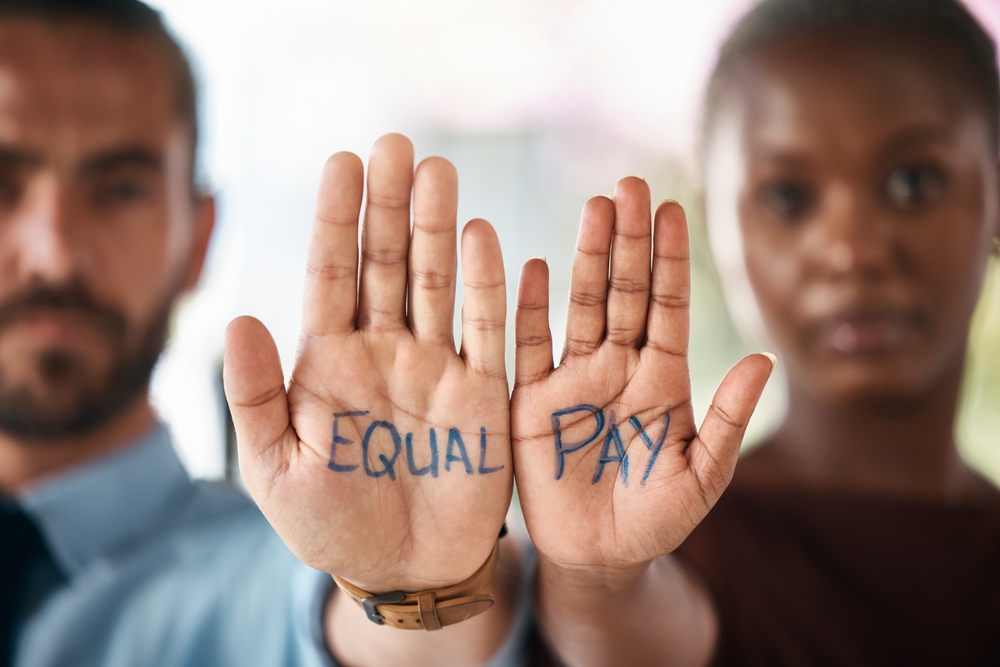
Los Angeles employers from Century City law firms to Silicon Beach tech companies often claim legitimate reasons for pay disparities while perpetuating discriminatory systems. Haeggquist & Eck challenges these justifications by examining actual job duties, required skills, and performance expectations rather than accepting surface-level explanations.
The firm’s trauma-informed practice recognizes that discovering pay discrimination triggers feelings of betrayal, anger, and self-doubt. Years of undervalued contributions take emotional tolls beyond financial impacts. Your legal team provides supportive guidance while aggressively pursuing the pay equity you have earned through years of work and dedication.
California Equal Pay Act Explained
Understanding Substantially Similar Work in Equal Pay Cases
Pay equity analysis focuses on actual job content rather than titles or departments. Substantially similar work means comparable skill, effort, and responsibility performed under similar working conditions. Two employees might have different titles while performing work that qualifies for equal pay protection. Skills encompass education, training, experience, and abilities required for the position. Effort includes physical and mental exertion needed to perform job duties. Responsibility covers accountability levels, decision-making authority, and supervision duties. Working conditions examine physical surroundings and hazards, though office environments typically share similar conditions across roles.
Identifying Pay Discrimination in Your Workplace

Pay discrimination often hides behind confidentiality policies and cultural taboos against discussing compensation. Recent salary transparency laws help expose disparities, but many inequities remain concealed within complex corporate structures. Recognizing discrimination patterns requires examining multiple indicators beyond just base salary differences.
Gender pay gaps manifest through various compensation mechanisms that create cumulative disadvantages over careers. Starting salary disparities compound through percentage-based raises, creating ever-widening gaps.
Bonus structures that favor male-dominated departments or subjective performance metrics perpetuate discrimination. Stock option grants, promotion timing, and title inflation all contribute to total compensation inequality.
Warning Signs of Unequal Pay in Los Angeles Workplaces
Several warning signs suggest potential pay discrimination requiring further investigation. Your situation might involve illegal pay practices if you notice these patterns:
- Male colleagues with similar or less experience earn higher salaries or receive larger bonuses
- Job postings for your role offer higher pay ranges than your current compensation
- Men receive promotions faster despite comparable or inferior performance records
- Your salary history from previous employers limits current compensation despite strong performance
- Management discourages or prohibits discussing salaries with coworkers
These indicators often interconnect, creating systematic discrimination affecting women throughout organizations. Pay secrecy policies themselves violate California law while enabling continued discrimination by preventing workers from discovering disparities.
How to Build a Strong Equal Pay Case
Strong equal pay claims require strategic evidence gathering and careful documentation of compensation disparities and job similarities. California law shifts certain burdens to employers once workers establish prima facie cases of pay discrimination, but initial evidence remains important for success.
Start documenting pay information immediately upon discovering potential discrimination. Save pay stubs, offer letters, bonus notifications, and benefits statements.
Screenshot job postings showing salary ranges for similar positions. Preserve performance reviews demonstrating your contributions and achievements. Document conversations about compensation, promotions, or job responsibilities.
Collecting Evidence for Equal Pay Claims
Discovering colleague compensation information strengthens equal pay claims significantly. California law protects your right to discuss wages with coworkers and prohibits employer retaliation for these conversations. Many workers feel uncomfortable initiating salary discussions, but transparency benefits everyone facing potential discrimination.
Professional networks and industry surveys provide additional comparative data about typical compensation for your role and experience level. LinkedIn salary insights, Glassdoor reports, and industry association surveys establish market rates. Recruiting firms often share salary ranges when discussing opportunities, providing valuable benchmarking information.
Former employees sometimes provide important testimony about historical pay practices and discrimination patterns. Exit interviews, discrimination complaints, and testimony from previous cases reveal systematic issues. Social media and professional networks help locate former colleagues willing to support your claims.
Legal Remedies Available for Pay Discrimination

Damages and Penalties in Equal Pay Lawsuits
Beyond back pay, successful claims often yield substantial additional recoveries that multiply the value of pursuing legal action. California law provides enhanced remedies recognizing that pay discrimination causes harm beyond just economic losses. Liquidated damages equal to back pay amounts effectively double recovery in many cases. Interest accumulates on unpaid wages from when discrimination occurred. Front pay compensates for future losses when reinstatement isn’t feasible. Emotional distress damages recognize discrimination’s psychological impact, particularly for long-term systematic underpayment. Employers must pay attorney fees and costs for successful equal pay claims, making quality legal representation accessible regardless of your financial situation. This fee-shifting provision encourages attorneys to accept meritorious cases while deterring employers from forcing expensive litigation to discourage claims.How to Overcome Employer Defenses in Equal Pay Cases
Employers facing equal pay claims typically assert various defenses attempting to justify compensation disparities. Understanding these strategies helps anticipate challenges and gather evidence countering predictable arguments.
Employer Defenses Based on Seniority and Merit Systems
Companies often claim seniority systems or merit-based pay structures explain disparities. However, these systems must apply consistently and transparently to constitute valid defenses. Employers bearing this burden must demonstrate objective criteria applied uniformly across genders.
Many supposed merit systems reveal subjective biases upon examination. Performance metrics favoring traditionally male attributes or achievements perpetuate discrimination.
Seniority systems that credit male-dominated experience while discounting female-concentrated backgrounds fail legal scrutiny. Your attorney examines whether these systems genuinely explain disparities or merely mask discrimination.
Employer Defenses Based on Factors Other Than Sex
The catchall “factors other than sex” defense requires employers to prove legitimate, job-related reasons for pay differences applied reasonably and consistently.
Education, experience, or training differences must actually relate to job performance and compensation decisions. Prior salary history no longer constitutes a legitimate factor under California law, closing a loophole that perpetuated historical discrimination.
Geographic differences, shift differentials, or temporary assignments might justify some disparities if applied neutrally. However, employers must demonstrate these factors actually motivated compensation decisions rather than serving as after-the-fact justifications. Documentary evidence often contradicts employer claims about decision-making factors.
Protecting Your Rights During Equal Pay Claims

Pursuing equal pay claims while maintaining employment creates unique challenges requiring careful navigation. California law prohibits retaliation, but subtle discrimination often follows internal complaints. Understanding your rights and documenting everything protects against illegal retaliation while strengthening potential claims.
Continue performing your job excellently despite discovering discrimination. Document your achievements, meeting notes, and positive feedback. Maintain professional relationships with colleagues and supervisors. Avoid discussing legal claims at work beyond protected wage discussions. These practices protect your position while building evidence supporting your value.
Recognizing Retaliation Tactics
Employers sometimes retaliate through subtle methods avoiding obvious illegal conduct. Watch for these warning signs following equal pay complaints:
- Sudden negative performance reviews after years of positive feedback
- Exclusion from meetings, projects, or advancement opportunities
- Increased scrutiny, micromanagement, or impossible deadlines
- Isolation from colleagues or changes to reporting structures
- Reduction in responsibilities, resources, or support staff
Document all changes following protected activity. Save emails, record conversations where legal, and maintain detailed notes about workplace changes. Retaliation claims sometimes succeed even when underlying discrimination claims face challenges, providing alternative recovery paths.
Take Action Today for Pay Equity in Los Angeles
Every paycheck reflecting discrimination compounds injustice while limiting your family’s financial security and future opportunities. Los Angeles women lose hundreds of thousands in lifetime earnings through pay discrimination that violates California’s strong equal pay protections. Your decision to challenge discriminatory compensation practices benefits not only yourself but also future generations of workers.
The path toward pay equity begins with understanding your rights and building evidence supporting your worth. Haeggquist & Eck stands ready to evaluate your situation and fight for the equal compensation California law demands.
Call (310) 651-8001 today to schedule your confidential consultation with attorneys who understand both the legal complexities and personal impacts of pay discrimination.

FAQs for Los Angeles Equal Pay Lawyers
How do I find out what my male colleagues earn?
California law protects your right to discuss wages, and employers cannot prohibit or retaliate against you for doing so. You may ask colleagues directly, review salary ranges in job postings now required under California’s pay transparency law, or consult industry surveys and recruiter data. Your attorney can also obtain compensation records through legal discovery.
How long do I have to file an equal pay claim?
California provides two years for standard violations and three years for willful violations. Each paycheck with discriminatory compensation creates a new violation, extending timelines. Acting quickly preserves maximum recovery and prevents evidence loss.
May I file a claim after leaving my job?
Yes, former employees maintain equal pay claims for discrimination during employment. Leaving eliminates retaliation concerns while preserving legal rights. Many workers pursue claims after securing new positions, reducing financial pressure during litigation.
What if I signed an arbitration agreement?
Arbitration agreements can complicate equal pay claims, but they do not necessarily bar them. Recent legislation restricts arbitration for certain discrimination claims. Each agreement must be reviewed individually to assess enforceability and determine available options.
Do equal pay laws cover bonuses and stock options?
Yes, California equal pay laws encompass all compensation forms including bonuses, commissions, stock options, profit sharing, and benefits. Total compensation packages matter, not just base salaries.
