
 619-342-8000
Los Angeles
Wrongful Termination Lawyer
Losing a job is always difficult, but being fired for an unlawful reason can be especially devastating. Although California law allows at-will termination, important exceptions protect workers from discrimination, retaliation, and other illegal practices. Unfortunately, many Los Angeles employers still violate these protections, leaving employees without income, benefits, and stability.
If you suspect your firing was unlawful, speaking with an experienced Los Angeles wrongful termination lawyer can help you understand your options. Contact Haeggquist & Eck at (310) 651-8001 today for a confidential consultation.
Key Takeaways
- At-will employment doesn’t permit firing employees for illegal reasons including discrimination, retaliation, or exercising legal rights.
- California recognizes implied contracts through employee handbooks, verbal promises, and long-term employment relationships that limit termination rights.
- Documentation greatly strengthens wrongful termination claims, as courts and agencies give more weight to records such as emails, memos, or evaluations than to testimony alone.
- Remedies include lost wages, benefits, emotional distress damages, and potential reinstatement or front pay.
- Acting quickly preserves evidence and meets filing deadlines that vary based on the type of wrongful termination claim.
Contact us online or call Haeggquist & Eck, LLP at
for help with an FLSA wage claim.
Legal Representation for Wrongful Termination in Los Angeles
Haeggquist & Eck brings focused advocacy to wrongful termination cases throughout Los Angeles, from Downtown’s corporate towers to the entertainment studios of Burbank and tech companies in Santa Monica.
The firm maintains intentionally small caseloads, allowing attorneys to investigate thoroughly and build compelling evidence of illegal termination. Your case receives personalized attention rather than assembly-line processing common at high-volume firms.
The firm takes a trauma-informed approach, recognizing that wrongful termination causes more than financial hardship. It can threaten housing, healthcare, and family stability while also harming professional reputation and self-worth.
Haeggquist & Eck addresses these realities with compassionate support while aggressively pursuing accountability from employers who violated your rights.
How Los Angeles Wrongful Termination Lawyers Build Strong Cases
Every wrongful termination involves unique circumstances requiring tailored legal strategies. The Los Angeles wrongful termination lawyers at Haeggquist & Eck examine employment history, performance records, and termination circumstances to identify all potential claims. This comprehensive analysis often reveals multiple violations strengthening your position during negotiations or litigation.
The firm’s experience challenging major Los Angeles employers provides insight into corporate defense tactics and documentation practices. Your Los Angeles wrongful termination lawyer anticipates employer arguments, gathering evidence to counter predictable justifications for termination. This preparation positions your case for favorable resolution whether through settlement negotiations or trial proceedings.

Understanding Wrongful Termination in California
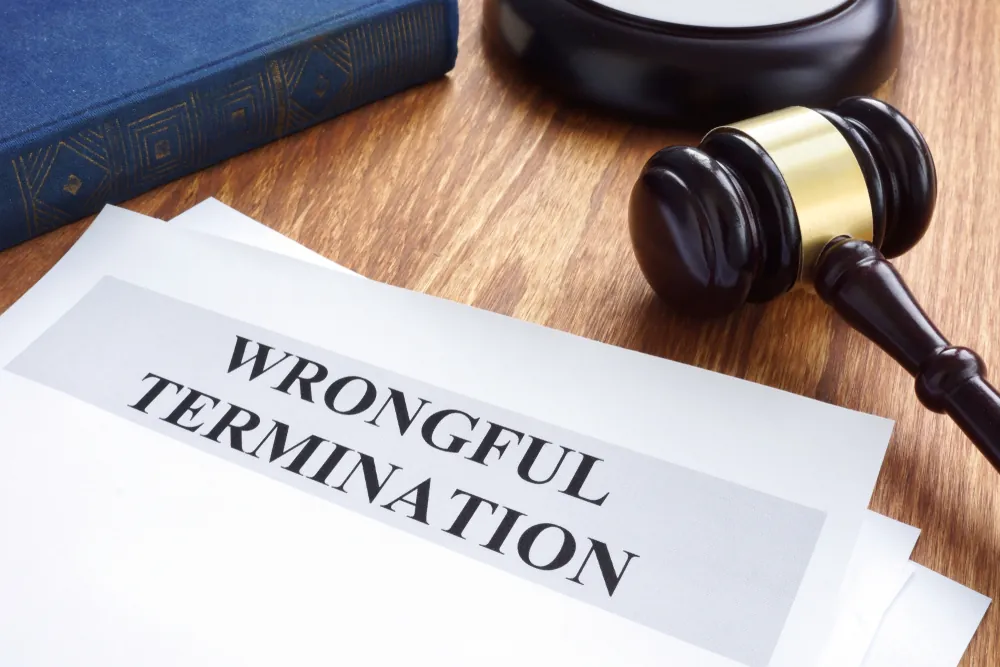
In California, wrongful termination occurs when an employee is fired in violation of public policy, a contract, or specific state or federal laws. Although Labor Code Section 2922 establishes at-will employment, exceptions protect workers from dismissals that are discriminatory, retaliatory, or otherwise unlawful. Not every unfair or unexpected firing qualifies as wrongful termination under the law.
Public policy exceptions prohibit firing employees for refusing illegal acts, exercising statutory rights, or performing legal obligations. You cannot lose your job for declining to commit fraud, serving jury duty, or filing workers’ compensation claims. These protections exist regardless of written contracts or company policies.
Worker Protections Against Wrongful Termination in California
Federal and California laws identify specific characteristics and activities that employers cannot use as termination grounds. The California Fair Employment and Housing Act (FEHA) provides broader protections than federal law, covering additional categories and smaller employers. Protected characteristics include race, religion, national origin, sex, disability, age, sexual orientation, gender identity, marital status, and medical conditions. Pregnancy, military service, and genetic information receive special protections. Employers cannot fire workers for these reasons, even if they attempt to disguise discrimination with pretextual explanations. Protected activities extend beyond discrimination complaints to include wage claims, safety reports, and union organizing. Whistleblowing about illegal practices, cooperating with government investigations, and discussing workplace conditions with colleagues trigger anti-retaliation protections. These safeguards apply even when employers claim performance issues or restructuring necessitated termination.
Types of Wrongful Termination Claims in Los Angeles
Los Angeles workplaces generate various wrongful termination patterns reflecting the region’s diverse industries and demographics. Understanding different claim types helps identify potential legal violations in your situation.
Wrongful Termination Based on Workplace Discrimination
Discriminatory firings remain disturbingly common despite decades of civil rights legislation. Employers rarely admit discriminatory motives, instead citing performance problems, restructuring, or personality conflicts. However, patterns often reveal true motivations behind terminations.
Age discrimination affects older workers throughout Los Angeles, particularly in tech and entertainment industries obsessed with youth. Companies eliminate experienced employees approaching retirement eligibility or earning higher salaries. Disability discrimination occurs when employers fire workers after injuries, illnesses, or accommodation requests rather than providing legally required support.
Pregnancy discrimination persists across industries, with employers terminating expectant mothers before maternity leave or upon return. Religious discrimination impacts workers whose practices conflict with scheduling or dress codes. National origin discrimination affects immigrant workers, particularly those with accents or cultural differences.
Wrongful Termination for Retaliation in Los Angeles Workplaces
Retaliation represents the most common wrongful termination claim, occurring when employers punish workers for exercising legal rights. The timing between protected activity and termination often exposes retaliatory intent, especially when long-term employees are suddenly fired after making complaints.
Employers retaliate against workers who report various workplace violations. Common triggers for retaliatory termination include:
- Filing discrimination or harassment complaints with HR or government agencies
- Reporting wage violations, unpaid overtime, or missed meal breaks
- Raising safety concerns or refusing dangerous work assignments
- Taking protected leave under FMLA or California family rights laws
- Cooperating with investigations or providing testimony in legal proceedings
Sophisticated employers attempt to disguise retaliation through delayed terminations or manufactured performance issues. Documentation showing satisfactory performance before protected activity strengthens retaliation claims significantly.
Building Evidence for Your Wrongful Termination Case

Strong wrongful termination cases rely on comprehensive evidence demonstrating illegal motivations behind employment decisions. Beginning documentation immediately after termination preserves important evidence that might otherwise disappear.
Collect all employment-related documents including offer letters, contracts, handbooks, and policy manuals. Save performance reviews, commendations, emails praising your work, and any disciplinary records.
Document the termination itself, including who delivered the news, stated reasons, and any witnesses present. Record contradictory explanations if employers provide varying termination reasons.
Using Digital Evidence in Wrongful Termination Lawsuits
Electronic communications often contain smoking-gun evidence of discriminatory or retaliatory intent. Employers sometimes forget about digital trails when planning wrongful terminations, leaving incriminating evidence in emails, text messages, and internal communications.
Forward important emails to personal accounts before losing system access. Screenshot relevant text messages, Slack conversations, or social media posts.
Download voicemails and save call logs showing communication patterns. Preserve any evidence of different treatment compared to similarly situated employees.
Metadata confirming creation dates and authenticity increases the value of digital evidence. Never edit or alter documents, since changes can undermine credibility. Store multiple copies in different locations to prevent loss.
Witness Testimony and Comparisons in Wrongful Termination Cases
Coworkers who observed discriminatory comments, witnessed retaliation, or experienced similar treatment provide valuable testimony. Former employees often speak more freely about illegal practices without fearing job loss. Current employees might confirm events privately even if reluctant to testify formally.
Comparator evidence showing different treatment of similar employees strengthens discrimination claims. Document how employers handled comparable situations involving workers outside protected categories. Performance metrics, disciplinary records, and termination patterns reveal discriminatory practices.
Damages Available in Wrongful Termination Cases

Successful wrongful termination claims yield various forms of compensation addressing both economic losses and personal harm caused by illegal firing. Understanding potential damages helps evaluate whether pursuing legal action makes sense for your situation.
Economic damages form the foundation of most wrongful termination recoveries. Lost wages include salary, bonuses, commissions, and overtime from termination through trial or settlement.
Benefits values such as health insurance, retirement contributions, and stock options add substantial amounts. Future wage losses may apply when termination damages career prospects.
Emotional Distress and Punitive Damages in Wrongful Termination Cases
Wrongful termination may result in significant emotional harm in addition to financial losses. California law allows for emotional distress damages to compensate for anxiety, humiliation, loss of reputation, or similar harm caused by unlawful firing, although amounts awarded can differ significantly depending on the circumstances and available evidence.
Punitive damages are only available if the employer’s conduct was especially egregious and involved malice, oppression, or fraud. These damages are intended to punish and deter wrongdoing, but are relatively rare and only awarded in cases with clear evidence of particularly serious misconduct.
Attorney fees often represent the largest recovery component. Successful discrimination and retaliation claims typically require employers to pay reasonable attorney fees and costs. This fee-shifting provision makes quality legal representation accessible regardless of financial resources.
Filing Deadlines for Wrongful Termination Claims in California
Wrongful termination claims involve various deadlines depending on legal theories and administrative requirements. Missing a deadline can bar your claim regardless of merit, which makes prompt action essential to preserve your rights.
FEHA discrimination and retaliation claims require filing administrative complaints with the California Civil Rights Department within three years of termination. Federal claims under Title VII require EEOC charges within 300 days. These administrative filings must occur before lawsuit filing.
Contract claims and public policy violations follow different limitation periods. Written contract breaches allow four years for filing, while oral contracts provide two years. Tort claims such as intentional infliction of emotional distress have two-year limitations. Some statutory violations have specific shorter deadlines requiring immediate attention.
Timing Considerations for Wrongful Termination Claims
While meeting deadlines remains mandatory, strategic timing within limitation periods affects case outcomes. Filing immediately preserves evidence and witness memories but might preclude settlement negotiations. Waiting allows emotional processing and job searching but risks evidence loss.
Administrative agencies take months processing charges before issuing right-to-sue letters. This delay provides negotiation opportunities while investigations proceed. However, some claims bypass administrative requirements, allowing immediate court filing.
Your Los Angeles wrongful termination attorney evaluates optimal timing based on evidence strength, employer practices, and personal circumstances. Early consultation preserves all options while avoiding deadline problems.
What to Expect During the Legal Process

Understanding the wrongful termination litigation process reduces anxiety and helps manage expectations about timelines and outcomes. Most cases resolve through settlement, but preparing for trial strengthens negotiating positions.
Initial case evaluation involves reviewing documents, interviewing you about termination circumstances, and analyzing potential claims. Attorneys investigate employer backgrounds, searching for similar cases or regulatory violations. This assessment determines case viability and strategic approach.
Discovery and Settlements in Wrongful Termination Cases
Discovery allows both sides to obtain evidence through document requests, written questions, and depositions. Employers must produce personnel files, emails, policies, and comparative employee data. This process often reveals additional evidence supporting wrongful termination claims.
Settlement discussions may occur at any stage but typically intensify after discovery reveals case strengths. Mediation through retired judges provides structured negotiation environments. Most wrongful termination cases settle confidentially, avoiding trial risks and publicity.
Trial preparation involves extensive witness preparation, exhibit organization, and jury selection strategy. Los Angeles juries drawn from diverse communities often sympathize with wrongfully terminated workers. However, trials create stress and uncertainty, making settlement attractive for many clients.
Take Action With a Los Angeles Wrongful Termination Lawyer
Los Angeles workers facing wrongful termination confront powerful employers with extensive resources and experienced legal teams defending their actions. Your job loss affects every aspect of life while former employers continue operations without consequence. Standing up against illegal termination holds companies accountable while pursuing compensation for the harm they’ve caused.
Taking action begins with understanding your rights and building evidence supporting your claims through experienced legal guidance. Haeggquist & Eck provides the focused advocacy and strategic approach necessary to challenge wrongful termination successfully.
Call (310) 651-8001 now for your confidential consultation with attorneys who understand both the legal complexities and personal impacts of wrongful job loss.

FAQs for Los Angeles Wrongful Termination Lawyers
What if my employer claims I was fired for poor performance?
Performance-based terminations require legitimate documentation and consistent application of standards. Pretextual performance claims often collapse when employees demonstrate satisfactory reviews before protected activity or discriminatory treatment. Your attorney examines whether performance issues genuinely motivated termination or merely mask illegal reasons.
Do I need written proof of discrimination to win my case?
Direct evidence of discrimination rarely exists since employers avoid documenting illegal motivations. Circumstantial evidence including timing, comparator treatment, and shifting explanations establishes discrimination. Pattern evidence showing similar treatment of other protected workers strengthens claims without smoking-gun documents.
What if I already received severance pay?
Severance agreements often include release provisions waiving legal claims. However, certain claims cannot be waived, and agreements obtained through duress or without proper disclosures may be voidable. Review severance documents with a Los Angeles wrongful termination lawyer before signing.
May I sue if I was fired during a probationary period?
Probationary periods do not remove wrongful termination protections. Employers still cannot fire probationary employees for discriminatory or retaliatory reasons. The same legal protections apply regardless of employment duration or probationary status.
What if I cannot afford an attorney?
Most Los Angeles wrongful termination attorneys work on contingency, collecting fees from settlements or judgments rather than requiring upfront payment. Fee-shifting provisions in discrimination laws often require employers to pay attorney fees for successful claims.
