619-342-8000
San Diego
Pregnancy Discrimination
Lawyers






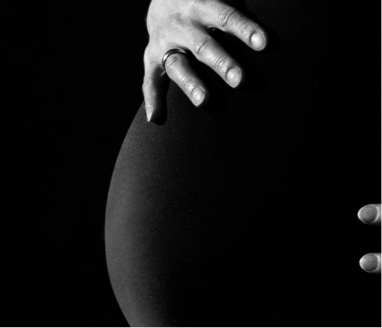





At Haeggquist & Eck, our team of San Diego pregnancy discrimination lawyers represents employees whose employers punished them for being pregnant, taking leave, or requesting an accommodation.
When you share news of a pregnancy, your employer should congratulate you, not suddenly cut your hours, give a promotion to someone else, or fire you. Yet San Diego employees face pregnancy discrimination in biotech labs in Torrey Pines, hotels in Mission Valley, and school district offices in Chula Vista.
Losing your footing at work while preparing for a child can shake your sense of security, including how you will pay for prenatal care and support a growing family. We hold employers accountable under California and federal law through a calm, trauma-informed approach that respects what you are going through.
Call (619) 342-8000 or contact us online to schedule a free case evaluation.
What Does Pregnancy Discrimination
At Work Look Like?
Pregnancy discrimination happens when an employer treats you worse because you are pregnant, recently gave birth, are breastfeeding, or have a related medical condition. Discrimination can take an obvious form, like a firing days after you share your news, or a subtle one that builds over several months.
Some of the most common forms of pregnancy discrimination our attorneys see in San Diego workplaces include:
- Firing, demoting, or laying you off soon after you announce a pregnancy
- Cutting your hours, shifts, or sales territory
- Passing you over for a promotion, raise, or new assignment
- Refusing to hire you because you are pregnant or plan to have children
- Forcing you onto leave when you can still do your job
- Denying a reasonable accommodation, such as lighter duty or extra breaks
- Making comments about your pregnancy, your commitment, or your childcare plans
- Punishing you for taking pregnancy disability leave or baby bonding leave
Employers rarely admit to discriminating, so our team gathers the emails, schedules, and performance records that show what really drove the decision.

For more information about our pregnancy discrimination attorneys in San Diego, contact us online or call (619) 342-8000 to schedule a free, no-obligation initial case evaluation.
Laws That Protect
Pregnant Workers In San Diego
California’s Fair Employment and Housing Act (FEHA) protects pregnant employees at workplaces with five or more employees, while the main federal laws apply only to employers with 15 or more. Because state law covers more employers and offers broader remedies, most of our San Diego pregnancy discrimination cases rely on it.
Under FEHA, pregnancy discrimination is a form of sex discrimination, one of several types of workplace discrimination that California prohibits. Several laws can apply at the same time, and each one protects something different:
| Law | Employers covered | What it protects |
|---|---|---|
| Fair Employment and Housing Act (FEHA) | Five or more employees | Bars discrimination based on pregnancy, childbirth, breastfeeding, and related medical conditions |
| Pregnancy Disability Leave (PDL) | Five or more employees | Up to four months of job-protected leave per pregnancy if you have a qualifying pregnancy-related disability, plus accommodations and transfers |
| California Family Rights Act (CFRA) | Five or more employees | Up to 12 weeks of job-protected leave to bond with a new child, for eligible employees |
| Pregnant Workers Fairness Act (PWFA) | 15 or more employees | Reasonable accommodations for known pregnancy-related limitations |
| Title VII and the Pregnancy Discrimination Act | 15 or more employees | Bars pregnancy-based decisions in hiring, firing, pay, and promotion |
Knowing which laws apply shapes where a claim is filed, which deadlines control, and what you can recover. Our attorneys sort through those questions at the start, so the claim moves forward under the strongest available law.
What If I Was Fired After
Announcing My Pregnancy?
A firing that follows soon after you announce a pregnancy can be evidence of discrimination, especially alongside other evidence, even when your employer gives a different reason. California law does not allow an employer to fire you because of your pregnancy, and timing is often the first clue that a stated reason is not the real one.
Sudden Performance Complaints
Many employers cite performance problems that never appeared in writing before the pregnancy. We compare your past reviews, praise from supervisors, and bonus history against the criticism that showed up after your announcement.
Restructuring That Singles You Out
A layoff or reorganization can also hide discrimination when it falls hardest on a pregnant employee. Our attorneys look at who else lost a job, who replaced you, and whether the cuts fell mostly on employees who were pregnant or on leave.
Comments That Reveal Bias
Remarks about your commitment, jokes about pregnancy, or questions about returning after the baby can reveal the real motive behind a decision. We collect these statements from emails, chat messages, and coworkers who heard them.

What Should I Do If My Employer Treats Me Differently Because I'm Pregnant?
The most protective first step is to talk with a pregnancy discrimination lawyer before you respond to a demotion, sign a severance agreement, or make a major decision about your job, because early choices can shape your claim. While you are still employed, a few simple habits also help preserve the evidence your attorney will need:
- Write down dates, comments, and who was present soon after each incident
- Make accommodation and leave requests in writing, and save every response
- Keep copies of performance reviews, schedules, and praise you have already received
When you work with Haeggquist & Eck, we request the records your employer controls and handle communications with its attorneys, so you are not managing the claim alone.
Do I Have a Right to
Accommodations and Leave?
California law gives most pregnant employees a right to reasonable accommodations, a temporary transfer to a less strenuous or hazardous job when your health care provider advises it. You may also qualify for up to four months of pregnancy disability leave if you have a pregnancy-related disability. An employer that ignores these rights, or punishes you for using them, can face a discrimination or retaliation claim.
Accommodations Your Employer Must Consider
Common accommodations include more frequent breaks, a stool or chair, modified lifting duties, a temporary schedule change, and time off for prenatal appointments. California also requires break time and a private space other than a bathroom for expressing breast milk. Your pregnancy disability rights also mean your employer should discuss a request with you in good faith rather than issue a flat denial.
Leave and Income While You Are Away
Pregnancy disability leave and baby bonding leave protect your job, but they do not require your employer to pay you. California’s State Disability Insurance and Paid Family Leave programs can replace part of your wages, including up to eight weeks of bonding leave pay. These overlapping protections for pregnant employees are easy for employers to mishandle, and our attorneys identify every right your employer denied.
Retaliation for Using Your Rights
Your employer cannot demote you, cut your hours, or treat you worse because you asked for an accommodation, took pregnancy disability or bonding leave, or used lactation breaks. Retaliation is a separate claim from discrimination, so one case can include both, and our attorneys pursue each claim the evidence supports.
What Can I Recover in a
Pregnancy Discrimination Claim?

With a successful pregnancy discrimination claim, you can recover your lost income, compensation for emotional distress, and, in some cases, punitive damages and attorney’s fees. FEHA sets no statutory dollar caps on these damages, unlike federal law, which caps some damages based on the employer’s size.
Depending on the facts, compensation can include:
- Back pay for wages and benefits you lost from the date of the discrimination
- Front pay for future lost earnings, or reinstatement to your position
- The value of lost health insurance, retirement contributions, and bonuses
- Damages for emotional distress, anxiety, and humiliation
- Punitive damages when an employer acted with malice, oppression, or fraud
- Attorney’s fees and costs
The value of any claim depends on its specific facts, and no attorney can promise a particular outcome. Our goal is to protect your income and help you get back on your career path.
How Our San Diego Pregnancy Discrimination Attorneys
Build Your Case
Our San Diego pregnancy discrimination attorneys build each case by documenting the timeline, preserving evidence, and meeting every filing deadline for you. Most FEHA claims require a complaint with the California Civil Rights Department within three years of the discriminatory act, followed by a lawsuit within one year after the department issues a right-to-sue notice. Federal claims carry a shorter deadline, generally 300 days in California, for filing a charge with the Equal Employment Opportunity Commission (EEOC).
From your first call, our team handles each step:
- We listen to your story and build a timeline from your announcement to the adverse action.
- We request your personnel file, pay records, and any written policies your employer relied on.
- We identify witnesses and compare how your employer treated coworkers who were not pregnant.
- We file your administrative complaints with the Civil Rights Department and, when federal claims apply, the EEOC.
- We negotiate with your employer and its attorneys, often through mediation.
- We file suit in San Diego Superior Court or the U.S. District Court for the Southern District of California when a fair resolution requires it.
If your employer offers a severance agreement, California law requires it to tell you that you have at least five business days to consult an attorney. We review those agreements before you sign, because signing can give up valuable claims.
Why Choose Haeggquist & Eck for Your Pregnancy Discrimination Case?
Our women-owned firm has represented San Diego employees since 2008, and we understand how much rides on a paycheck and health coverage when a baby is on the way. Partner Amber Eck has represented employees in pregnancy, gender, and other discrimination cases, and Managing Partner Alreen Haeggquist has spent more than 23 years representing workers facing discrimination and harassment.
When you work with our firm, you can expect:
- Direct, regular contact with your attorney, supported by small caseloads
- A trauma-informed approach that respects your time, your health, and your privacy
- Careful investigation of your employer’s records, policies, and treatment of coworkers
- Plain-language explanations of your options at every stage
- A free case evaluation and availability 24 hours a day
We stand up with you while you focus on your health and your family. Call (619) 342-8000 to talk with our team about your options.
FAQs:
San Diego Pregnancy Discrimination Lawyer
The answers below address questions pregnant employees and new parents often ask about their rights at work.
An at-will employer in California can end your employment for many reasons, but it cannot fire you because of your pregnancy, a related medical condition, or your use of protected leave. A probationary period does not change that rule, because FEHA’s protection against pregnancy discrimination applies from your first day on the job.
Federal law bars an employer covered by the PWFA from requiring you to take leave when another reasonable accommodation would let you keep working. Under California law, sending you home on leave because of your pregnancy when you are able to do your job can itself be pregnancy discrimination.
You may still have a pregnancy discrimination claim in California after resigning if your employer made working conditions so intolerable that a reasonable person would feel forced to quit. Courts call this constructive discharge, and the standard is demanding, so speaking with an attorney before you resign can help protect your claim.
Treating you worse because you are trying to become pregnant, or because your employer assumes you will, can violate California and federal sex discrimination laws. Questions about family plans during hiring or a sudden change in assignments after you mention fertility treatment can become important evidence.
California protects employees after a pregnancy loss in two ways. FEHA prohibits discrimination based on pregnancy-related medical conditions, and eligible employees can take up to five days of reproductive loss leave after a miscarriage, stillbirth, failed adoption, failed surrogacy, or unsuccessful assisted reproduction procedure.
Take the Next Step to Protect Your Job and Your Family
A pregnancy should be a time to plan for the future, not a reason to lose the income and career you worked hard to build. If your employer cut your hours, denied an accommodation, or let you go after learning about your pregnancy, our San Diego pregnancy discrimination attorneys can explain your rights and the deadlines that apply. We investigate, handle every filing, and negotiate with your employer so you can focus on your health and your growing family.
At Haeggquist & Eck, every case evaluation is free, and our team is available 24 hours a day. Call (619) 342-8000 or contact us online to tell us your story and learn how we can help you move forward.