619-342-8000
San Diego
Workplace
Retaliation
Attorneys

































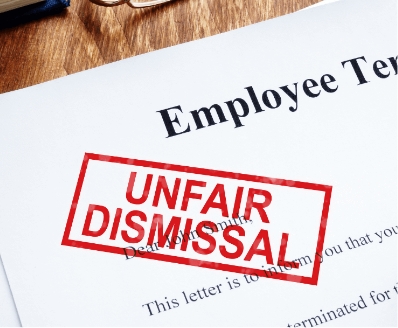

You spoke up because something was wrong, but then your workplace changed. Your schedule shifted, your manager stopped answering your emails, or write-ups suddenly filled a spotless record. A San Diego workplace retaliation lawyer can help you determine whether your employer’s actions violate California law.
Being punished for doing the right thing is disorienting. Many people start to doubt their own memory or wonder whether they should have stayed quiet. That doubt is often exactly what the retaliation is meant to create.
At Haeggquist & Eck, we see you, and we know how much courage it took to raise your concern. Call (619) 342-8000 or contact us online for a free case evaluation. We’re available 24 hours a day, and you can share only what you’re ready to.
What Counts as Workplace Retaliation in California?
Retaliation happens when an employer takes a harmful action against you because you engaged in legally protected activity. Under California’s Fair Employment and Housing Act (FEHA), a retaliation claim rests on three connected pieces:
- 1
You engaged in protected activity, such as reporting harassment or supporting a coworker’s complaint. - 2
Your employer took an adverse action against you. - 3
The protected activity was a reason for that action.
An adverse action doesn’t have to be a firing. The California Supreme Court held in Yanowitz v. L’Oreal USA, Inc. that any action that materially affects the terms, conditions or privileges of your job can qualify.
That can include a demotion, a pay cut, lost shifts, a transfer to a worse location, or being passed over for a promotion you were on track to receive. The court also recognized that retaliation can build through a series of smaller acts rather than one decisive blow.
You’re far from alone in facing this. Retaliation was the most frequently alleged basis in charges filed with the U.S. Equal Employment Opportunity Commission in fiscal year 2023, appearing in 46,047 of the 81,055 charges the agency received.
What Can You Recover in a San Diego Retaliation Case?
The recovery depends on the laws involved and on what you lost. In a FEHA case, you may recover lost wages and benefits, future earnings, emotional distress damages and, when your employer’s conduct was especially serious, punitive damages.
A whistleblower claim adds the civil penalty of up to $10,000 per violation. Both FEHA and section 1102.5 allow a court to order your employer to pay your attorney’s fees if you win.
Some people want something else entirely: their job back, a corrected personnel file or a neutral reference. Those outcomes can be part of a resolution as well.
Reach out to a retaliation attorney in San Diego who can help by contacting Haeggquist & Eck, LLP online or calling (619) 342-8000 to schedule a free case evaluation.
Which Workplace Actions Does California Law Protect?
California protects a wide range of activity, and several different laws may apply to the same situation. These are some of the most common protected activities and the laws behind them:
| If you did this | The law that protects you | What it can look like |
|---|---|---|
| Reported or opposed harassment or discrimination | Government Code section 12940(h) (FEHA) | A complaint to HR about a supervisor’s sexual comments |
| Took part in a workplace investigation or agency case | Government Code section 12940(h) (FEHA) | Serving as a witness in a coworker’s CRD complaint |
| Reported suspected illegal conduct | Labor Code section 1102.5 | Telling a manager about falsified billing records |
| Refused to break the law | Labor Code section 1102.5(c) | Refusing to dump hazardous waste down a storm drain |
| Complained about unpaid wages or other Labor Code rights | Labor Code section 98.6 | Asking why overtime is missing from your paycheck |
| Raised a health or safety concern | Labor Code section 6310 | Reporting blocked fire exits to Cal/OSHA |
| Asked about or discussed pay | Labor Code section 1197.5 | Comparing salaries with a coworker in the same role |
| Took protected family or medical leave | Government Code section 12945.2 (CFRA) | Taking leave to care for a seriously ill parent |
| Used paid sick leave | Labor Code section 246.5 | Calling out sick and being written up for it |
Your underlying complaint doesn’t have to be proven correct. FEHA protects you when you reasonably and in good faith believe the conduct you opposed was unlawful, and Labor Code section 1102.5 protects disclosures you had reasonable cause to believe revealed a violation.
How Is FEHA Retaliation Different From Whistleblower Retaliation?
Both laws protect employees who speak up, but they cover different kinds of activity and use different rules of proof. Many San Diego cases involve both.
| Question | FEHA retaliation | Labor Code section 1102.5 whistleblower retaliation |
|---|---|---|
| What it protects | Opposing discrimination or harassment, and taking part in related complaints | Reporting a suspected violation of any law or regulation, or refusing to violate one |
| Who you reported to | Anyone, including HR, a supervisor or a government agency | A government agency, a person with authority over you, or someone with authority to investigate or correct the problem |
| What you must show | Your protected activity was a substantial motivating reason for the adverse action | Your protected activity was a contributing factor in the adverse action |
| What your employer must show | A legitimate, non-retaliatory reason, which you can show is a pretext | By clear and convincing evidence that it would have made the same decision anyway |
| Remedies beyond lost pay | Emotional distress damages, punitive damages and attorney’s fees | Damages, a civil penalty of up to $10,000 per violation paid to you, and attorney’s fees |
The whistleblower standard is especially meaningful. In Lawson v. PPG Architectural Finishes, Inc., decided in 2022, the California Supreme Court confirmed that section 1102.5 claims follow this worker-friendly framework, so you don’t have to prove your employer’s stated reason was a cover story.
Section 1102.5 also protects you when reporting problems is part of your job, such as a compliance officer or a nurse who documents safety issues.
What Is California’s 90-Day Retaliation Presumption?
Since January 1, 2024, California law presumes retaliation in certain cases when an employer takes adverse action within 90 days of your protected activity. The presumption comes from Senate Bill 497 and appears in Labor Code section 98.6 and the Equal Pay Act, Labor Code section 1197.5.
It applies to activities that those laws protect, such as complaining about unpaid wages, filing a claim with the Labor Commissioner, or asking about pay equity. If your employer disciplined or fired you within that 90-day window, the burden shifts to your employer to rebut the presumption.
Picture a warehouse worker who files a wage claim with the Labor Commissioner in March and receives a final warning in May. Under the presumption, the employer must now come forward with evidence that the warning had a legitimate reason unrelated to the claim.
Timing still matters outside the 90 days. A pattern of scrutiny that begins right after a complaint can support an inference of retaliation, even when the harshest action comes months later.
Evidence That Helps Prove Retaliation
Employers rarely admit to retaliating, so most cases are built from circumstantial evidence. The details that tend to carry the most weight include:
- The timeline between your complaint and the change in how you were treated
- Performance reviews, bonuses or praise from before you spoke up
- Emails, texts or meeting notes showing who knew about your complaint
- A sudden shift in discipline, assignments or scrutiny
- How your employer treated coworkers who didn’t complain
Your own memory of events matters too. Your attorney can turn the dates, conversations, schedule changes and witness names you recall into a timeline that fills gaps company records leave out.
The explanation your employer gives also becomes evidence. When the stated reason for a demotion or firing shifts over time, or doesn’t match what supervisors said in writing, that inconsistency can point to retaliation.
How Long Do You Have to File a Retaliation Claim in California?
The deadline depends on the law your claim relies on. For FEHA retaliation, your attorney has three years to file a complaint with the California Civil Rights Department (CRD), then one year from a right-to-sue notice to file a lawsuit.
A retaliation complaint with the Labor Commissioner must be filed within one year of the retaliatory act. A federal charge with the EEOC must be filed within 300 days.
Whistleblower claims under section 1102.5 are less settled. Some courts apply a three-year period, while others have applied a one-year period, especially for the civil penalty. Because the rules overlap, it helps to speak with a lawyer well before the shortest possible deadline passes.
The CRD has no San Diego office, so we handle the agency filing and follow-up remotely. San Diego County lawsuits in the downtown courts are heard at the Hall of Justice on West Broadway.
Why San Diego Workers Trust Haeggquist & Eck
Workplace retaliation is one of our firm’s core practice areas. Haeggquist & Eck is a women-owned employment law firm founded in San Diego in 2008 by Managing Partner Alreen Haeggquist, and our work is grounded in a trauma-informed approach.
Many of the people we represent first spoke up about sexual harassment or discrimination, and some are survivors of sexual assault. We move at a pace that respects what you’ve been through, and we explain each option to help you decide the best approach for you.
We represent individual workers standing up for themselves. From our office at 225 Broadway, we handle retaliation claims against employers across San Diego County, from small businesses to large companies.
Frequently Asked Questions
Retaliation is being punished for protected activity, such as reporting harassment or refusing to break the law. Wrongful termination is a firing for any illegal reason. In California, a retaliatory firing is both, but retaliation also covers harm short of firing, such as a demotion or cut hours.
Yes. Many California retaliation claims begin while the employee is still on the job, and an attorney can pursue the claim while you keep working. FEHA and the Labor Code also protect you from further retaliation once a complaint is filed with the Civil Rights Department, the Labor Commissioner or a court.
A cut in hours can be an adverse action under California law because it reduces your pay and changes the terms of your job. Whether it supports a claim depends on the link to your complaint, including the timing and how your employer explains the change.
It can be. The California Family Rights Act makes it unlawful for employers with five or more employees to fire, demote, or otherwise punish an employee for taking or requesting job-protected family or medical leave, or for taking part in a proceeding about those rights.
No, California’s Fair Employment and Housing Act protects employees who assist or testify in a coworker’s discrimination or harassment complaint, including serving as a witness in an internal investigation or a Civil Rights Department case. Punishing you for that support is retaliation, even if the complaint wasn’t yours.
Yes, the EEOC’s San Diego Local Office at 550 West C Street handles retaliation charges under federal laws such as Title VII and the Americans with Disabilities Act. In California, the deadline is 300 days from the retaliatory act, and your attorney can file the charge so it’s shared with the CRD and your state claims stay protected.
Talk to a San Diego Workplace Retaliation Lawyer About Your Case Today
Standing up once was hard enough. Let us stand up with you now. Call Haeggquist & Eck at (619) 342-8000 or reach out online to tell us your story in a free case evaluation with a San Diego workplace retaliation lawyer.
This page provides general information about California employment law and isn’t legal advice. Contacting Haeggquist & Eck doesn’t create an attorney-client relationship.
harassment, firing, demotion or failure to receive an appropriate promotion,
denial of benefits, or in any other way, contact Haeggquist & Eck, LLP online
today for a free case evaluation and exceptional representation.