 619-342-8000
lOS aNGELES
Sexual Assault
lAWYER













































































Survivors of sexual assault in Los Angeles often face challenges both in healing and in seeking justice. The city’s large court system, multiple law enforcement agencies, and varied support services can make the legal process difficult to navigate without guidance.
California provides strong protections for survivors, including extended statutes of limitations and workplace safeguards against retaliation. Even when criminal charges are not filed or do not lead to conviction, survivors may still pursue civil legal claims to hold responsible parties accountable and seek compensation.
Whether the incident occurred at work, on a campus, in a medical setting, or elsewhere, understanding your legal options is an important step forward.
Call Haeggquist & Eck at (310) 651-8001 to schedule a confidential evaluation and learn more about how California law protects survivors.
Contact us online or call (619) 342-8000 for a free initial case evaluation to learn more about how we can help you during this sensitive time.
Key Takeaways About Los Angeles Sexual Assault Cases
- Sexual assault cases in Los Angeles involve both criminal and civil legal pathways, each offering different forms of justice and compensation for survivors.
- California law provides stronger protections for survivors than many other states, including extended statutes of limitations and workplace protections against retaliation.
- Survivors may pursue compensation through civil lawsuits even if criminal charges weren’t filed or didn’t result in conviction.
- Los Angeles has specific resources and support systems available through organizations like Peace Over Violence and the Rape Treatment Center at UCLA Medical Center.
- Documentation and timely reporting strengthen cases, but delayed reporting doesn’t automatically prevent legal action.
How Haeggquist & Eck Stands With Los Angeles Sexual Assault Survivors

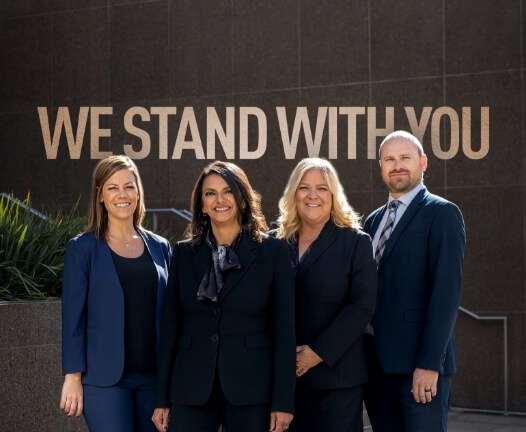
Haeggquist & Eck brings a trauma-informed approach to representing sexual assault survivors throughout Los Angeles County. As one of the few women-owned law firms in California, the firm limits caseloads so each client receives focused, personalized attention. The team receives ongoing training in trauma-informed practices, recognizing that survivors need more than just legal representation.
The firm employs a credentialed survivor advocate who provides additional support throughout the legal process. This unique resource helps clients manage anxiety, learn grounding techniques, and feel empowered while pursuing their cases. From initial evaluation through resolution, the approach prioritizes your comfort, healing, and pursuit of justice.
Sexual Assault Survivor Rights in Los Angeles
California law recognizes that sexual assault occurs in various settings beyond stranger attacks. Workplace assaults, campus incidents, assaults by service providers, and abuse within medical facilities all fall under protections that allow survivors to seek civil remedies. These protections apply throughout Los Angeles, regardless of industry or location.
The law acknowledges that perpetrators often hold positions of power or trust. Teachers, supervisors, medical professionals, rideshare drivers, and others who exploit their positions face both criminal consequences and civil liability. Survivors maintain the right to pursue civil cases regardless of criminal prosecution outcomes.
California's Legal Protections for Sexual Assault Survivors

California Assembly Bill 1619 extended the statute of limitations for sexual assault civil cases, giving adult survivors more time to come forward. The law now allows filing within 10 years of the assault or within three years of discovering resulting injuries. This recognizes that trauma impacts often surface years after the incident.
Workplace Sexual Assault Rights in Los Angeles
Workplaces in Los Angeles are required by law to provide safe environments free from sexual violence. The California Fair Employment and Housing Act (FEHA) prohibits workplace sexual assault and requires employers to take immediate action when incidents occur. Companies that fail to protect employees or retaliate against survivors face significant liability.
Key workplace protections include the right to report incidents without fear of termination, demotion, or other adverse actions. Survivors may take protected leave for medical treatment, counseling, or legal proceedings. Employers must provide reasonable accommodations such as schedule changes or workplace modifications to support recovery.
These protections apply regardless of immigration status or employment classification. Independent contractors, temporary workers, and undocumented workers all maintain rights under California law.
Campus Sexual Assault Laws and Student Rights in Los Angeles
Los Angeles hosts numerous colleges and universities, from UCLA and USC to community colleges throughout the region. Title IX federal protections combine with California’s stronger state laws to protect students. Educational institutions must investigate reports promptly, provide interim safety measures, and accommodate survivors’ academic needs.
Students maintain rights to pursue both campus proceedings and external legal action simultaneously. Schools cannot discourage or prevent survivors from contacting law enforcement or seeking legal representation. The Clery Act requires accurate reporting of campus sexual violence statistics, helping prospective students make informed decisions about safety.
Compensation Available in Los Angeles Sexual Assault Civil Cases

Civil lawsuits provide pathways to financial recovery that criminal cases cannot offer. While criminal prosecution focuses on punishment, civil cases center on making survivors whole through monetary compensation. Los Angeles juries have awarded significant damages recognizing the profound impact of sexual assault.
Economic Damages in Los Angeles Sexual Assault Lawsuits
Medical expenses form a substantial part of many survivors’ financial burdens. Emergency room visits, forensic examinations, ongoing medical care, and mental health treatment all qualify for compensation. Los Angeles medical costs, particularly at facilities like Cedars-Sinai or Ronald Reagan UCLA Medical Center, often exceed initial estimates.
Lost wages and diminished earning capacity represent another significant economic impact. Survivors may miss work for medical appointments, court proceedings, or trauma-related difficulties. Some find themselves unable to continue in careers that trigger memories or require interaction with environments reminiscent of their assault.
Property damage, relocation expenses, and security improvements also qualify as economic damages. Many survivors need to move residences, change locks, or install security systems to feel safe again.
Non-Economic Damages
The psychological impact of sexual assault extends far beyond financial losses. Post-traumatic stress, anxiety, depression, and other mental health conditions profoundly affect quality of life. California law recognizes these intangible losses through non-economic damage awards.
Pain and suffering compensation addresses both physical injuries and emotional trauma. Loss of enjoyment of life acknowledges how assault impacts relationships, activities, and daily functioning. These damages recognize that healing takes time and that some impacts may last permanently.
Building a Sexual Assault Case with Evidence and Documentation in Los Angeles

Strong cases rely on comprehensive documentation, though perfect evidence isn’t required for successful outcomes. Physical evidence, witness statements, medical records, and behavioral changes all contribute to establishing what occurred and its impact.
Los Angeles area hospitals follow specific protocols for sexual assault examinations, preserving evidence while providing medical care. The Rape Treatment Center at Santa Monica-UCLA Medical Center and other specialized facilities offer forensic examinations without requiring immediate police reports. This evidence remains available if survivors later decide to pursue legal action.
Digital Evidence Preservation
Modern technology creates digital footprints that support many cases. Text messages, emails, social media interactions, and location data often provide crucial timelines and context.
Los Angeles’s tech-savvy environment means many assaults leave electronic trails through rideshare apps, dating platforms, or workplace communication systems. Preserving this evidence requires immediate action:
- Screenshot all relevant communications before they disappear or get deleted
- Save voicemails and record dates, times, and caller information
- Document social media posts, comments, or messages related to the incident
- Maintain records of any contact attempts or harassment following the assault
Digital evidence can reveal patterns of abuse, intimidation, or even direct admissions. Details that may seem minor, such as blocked contacts or sudden relationship changes, can still demonstrate the assault’s impact on your life.
Witness Testimony and Support
Witnesses extend beyond those who saw the actual assault. Friends, family members, coworkers, or counselors who observed behavioral changes provide valuable testimony. Because witnesses come from diverse cultural backgrounds, sensitive handling is important when addressing perspectives on sexual violence.
People who noticed personality changes, work performance issues, or relationship difficulties help establish the assault’s ongoing impact. Medical providers, therapists, and support group facilitators document the healing journey. Even those who received contemporaneous reports, hearing about the assault soon after it occurred, provide important corroboration.
Challenges Survivors Face in Los Angeles Sexual Assault Lawsuits
Delayed Reporting Concerns
Many survivors wait months or years before seeking legal help. Shame, fear, confusion, and trauma responses all contribute to reporting delays. Los Angeles’s sprawling geography and cultural diversity mean survivors may lack awareness of available resources or face language barriers.
California law recognizes these realities through extended statutes of limitations and trauma-informed legal standards. Courts understand that immediate reporting isn’t always possible or safe. Delayed disclosure doesn’t diminish your credibility or prevent successful legal action.
Explaining a delay is part of your story, and courts recognize that it does not weaken your case. Trauma experts help juries understand why survivors might continue relationships with perpetrators, maintain normal routines, or avoid confronting what happened.
Power Imbalances and Institutional Protection
Los Angeles’s entertainment industry, major corporations, and prestigious institutions sometimes protect perpetrators rather than survivors. High-profile individuals with expensive legal teams and public relations machines create intimidating opposition. Workplace hierarchies, academic relationships, and professional networks complicate reporting.
Yet recent years have shown that even powerful individuals face accountability. The #MeToo movement originated in Hollywood, demonstrating that collective action and skilled legal representation overcome institutional protection. Your voice matters regardless of your perpetrator’s status or connections.
Choosing Legal Representation in Los Angeles

Choosing a sexual assault lawyer in Los Angeles requires weighing both legal expertise and personal comfort. Because these cases involve sharing traumatic details, trust, clear communication, and a trauma-informed approach are just as important as courtroom skill.
During a case evaluation, ask about the attorney’s experience with cases similar to yours, whether involving the workplace, a campus, or a medical provider. Discuss how they handle communication, who manages the case day to day, and what support resources are available. Clarify fee structures, including whether they work on contingency and what costs you might face during longer proceedings.
Be cautious of lawyers who promise specific results, pressure you to decide quickly, or discourage second opinions. Also avoid firms that treat sexual assault like routine personal injury cases or delegate most work to paralegals, since these matters require both specialized knowledge and personalized attention.
The Civil Lawsuit Process in Los Angeles Courts
Most civil sexual assault cases in Los Angeles are filed in Superior Court, often at the Stanley Mosk Courthouse or other regional courthouses.
The process begins with a complaint outlining allegations and legal claims such as assault, battery, emotional distress, or negligence. Attorneys prepare legal filings that outline the case while safeguarding survivor privacy.
Discovery follows, with both sides exchanging information through questions, document requests, and depositions. Though it can feel invasive, skilled attorneys limit overreach and focus on building evidence. This stage often lasts months due to court delays.
Most cases resolve through settlement, often reached in mediation with retired judges or professional mediators. Settlements offer privacy and closure, while trials may provide survivors with accountability and validation.
If a case proceeds to trial, preparation involves readying witnesses, organizing exhibits, and selecting jurors with care given Los Angeles’s diverse community perspectives on sexual violence.
During the case evaluation, ask about the attorney’s experience with cases similar to yours, whether involving the workplace, a campus, or a medical provider. Discuss how they handle communication, who manages the case day to day, and what support resources are available. Clarify fee structures, including whether they work on contingency and what costs you might face during longer proceedings.
Be cautious of lawyers who promise specific results, pressure you to decide quickly, or discourage second opinions. Also avoid firms that treat sexual assault like routine personal injury cases or delegate most work to paralegals, since these matters require both specialized knowledge and personalized attention.
Take Action with a Los Angeles Sexual Assault Lawyer Today
Sexual assault changes lives, but it doesn’t define your future. Los Angeles survivors have successfully held perpetrators accountable while reclaiming their power through the legal system. Whether your assault occurred yesterday or years ago, legal options exist to pursue justice and compensation.
The first step is a confidential case evaluation in a safe, supportive environment where you can share your story. Haeggquist & Eck’s trauma-informed team understands the courage required to take this step.
Call (310) 651-8001 today to explore your options with compassionate legal advocates who prioritize your healing alongside your case.

FAQs for Los Angeles Sexual Assault Lawyers
California's extended statute of limitations allows filing civil lawsuits within 10 years of the assault or within three years of discovering related injuries. Childhood sexual abuse cases have even longer filing periods. An experienced attorney evaluates whether your case falls within applicable time limits.
No, civil cases proceed independently from criminal prosecution. While police reports provide helpful documentation, their absence doesn't prevent civil action. Many survivors pursue civil remedies without ever involving law enforcement.
Identifying all potentially liable parties often reveals additional sources of recovery. Employers, property owners, security companies, or institutions that enabled abuse may bear responsibility. Insurance policies frequently cover damages even when individual defendants lack resources.
While civil lawsuits involve public filings, courts provide various privacy protections for sexual assault survivors. Protective orders limit disclosure of sensitive information. Many cases settle confidentially without public trial proceedings.
Yes, workplace sexual assaults create multiple legal claims against both perpetrators and employers. California employment law provides strong protections and remedies for survivors. Employers who knew or should have known about dangers face liability for failing to protect employees.
Contact Haeggquist & Eck, LLP online
or call (619) 342-8000 for assistance!